Yalova, a town of Istanbul until 1995, has been a province since then. Phrygians inhabited the city, where the settlement was started by the 3000s BC. The city, which was conquered by the Romans in 74 BC, was one of the important settlements in Byzantine times. Later on, it survived from the Ottoman domination until today. Located in the eastern part of the Marmara Sea, it is surrounded by Kocaeli and Bursa, while having easy access to Istanbul from the Marmara Sea by ferry services.
Climate and Local Cuisine
Yalova, which is between the Marmara climate and the Mediterranean climate, has a hot and arid climate in summers, while the winters are warm and rainy. It is generally ideal for visiting during both summer and winter. It has a very rich nature in terms of vegetation.
Yalova Cuisine consists of mostly vegetable-based dishes. Meat dishes and salads can also be found at the tables. Yalova meatballs and pide are very famous. In addition, sütlü, Yalova kebab and soup, and Termal desserts are also local tastes of the region.
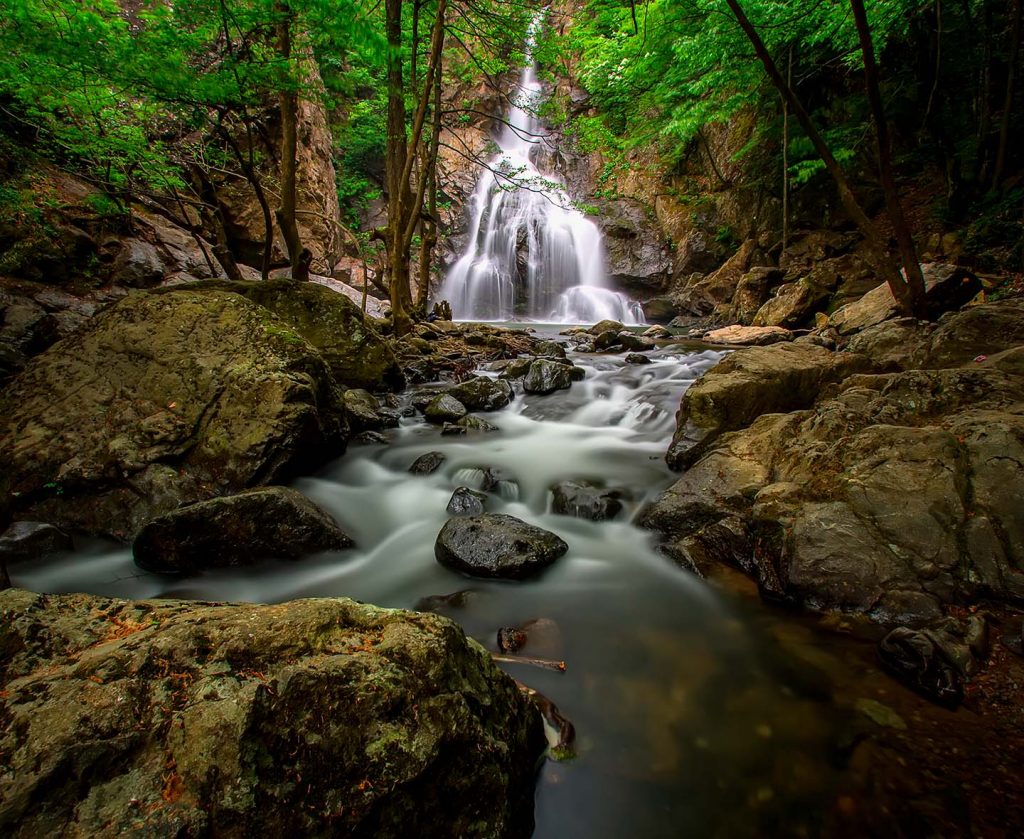
Erikli waterfall, Çınarcık, Yalova
Places to Visit
Yalova is one of the most preferred cities for tourism, with thermal springs, natural beauty, and historic buildings that can be found throughout the city.
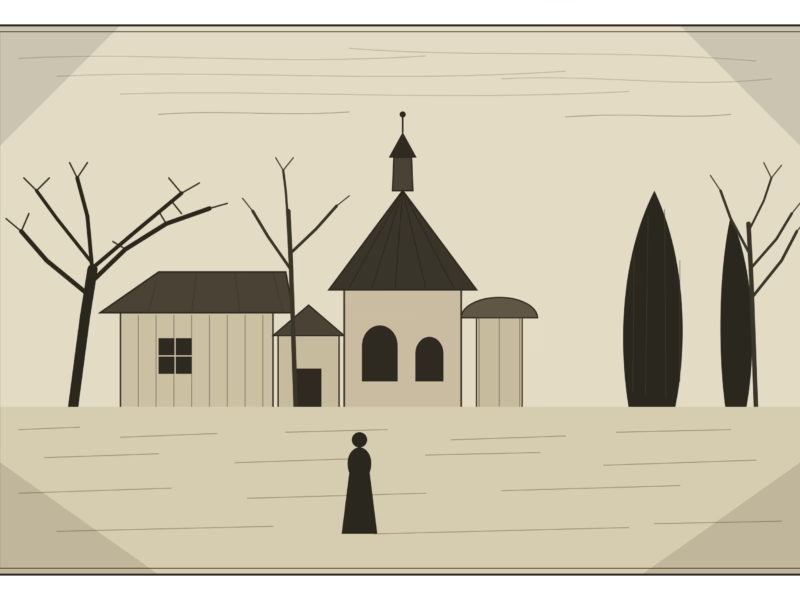
- Black Church: Located in the city center, the church is the historic remains from the Byzantine period. The red brick stone arches of the church, built in the 5th and 6th centuries after Christ, are open to visit.
- Atatürk Mansion: The pavilion that hosted Atatürk, who was attracted to Yalova because of its thermal springs, now serves as a museum.
- The Walking Mansion: The name of the mansion, which is located in the farm in the city center, comes from the shift after Atatürk’s mansion was built. The pavilion, which was completed in just 3 weeks, is in a beautiful location with its trees and natural environment.
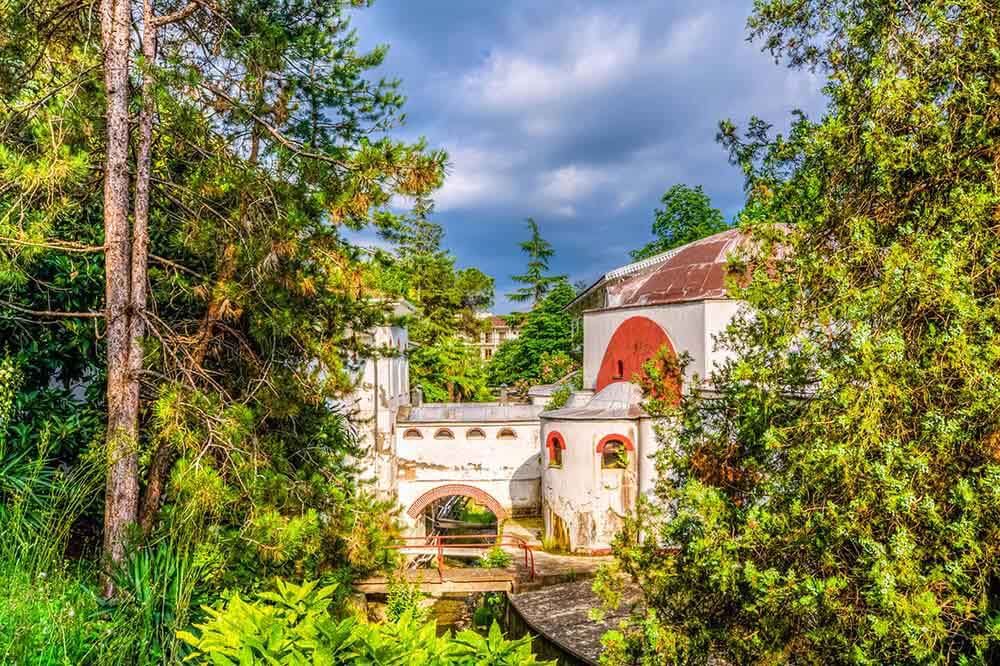
Termal Park view in Termal, Yalova. Termal has populer thermal spring in Turkey
- Taşköprü: The bridge, which is thought to have been built around 16th century, is located on the Kılıç Stream.
- Termal District: As the name suggests, the district is important in the health tourism of our country, along with thermal spas.
- Lake Dipsiz: Located in the vicinity of Teşvikiye, the lake is a popular destination for those who want to go hiking.
- Delmece Plateau: There is famous Erikli Waterfall in the plateau which is the source of renowned drinking water.
- Yalova City Museum
- Elmalı Castle
- Open Air Museum
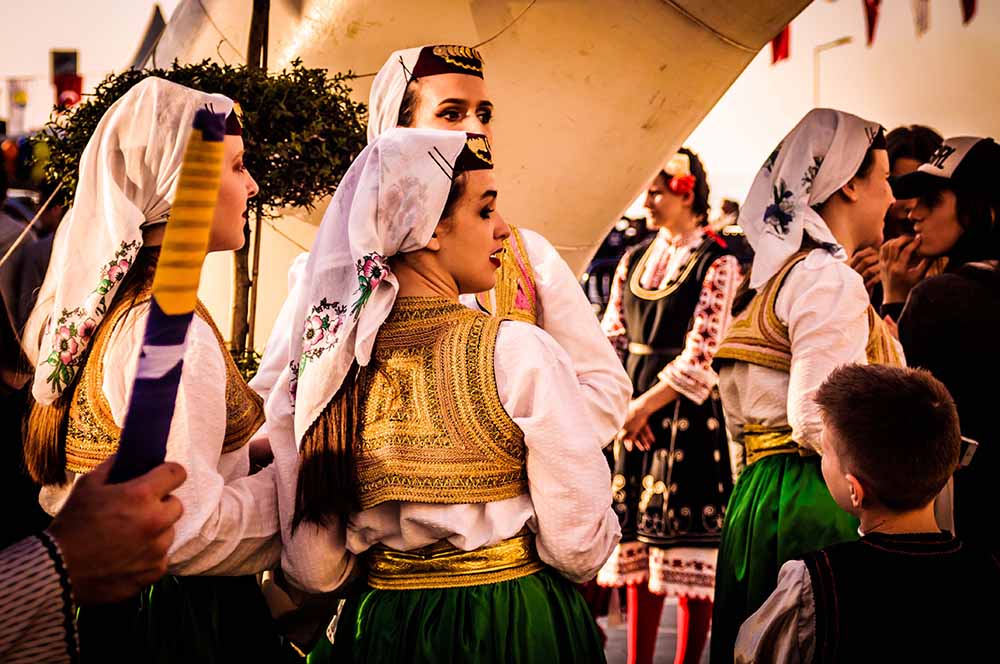
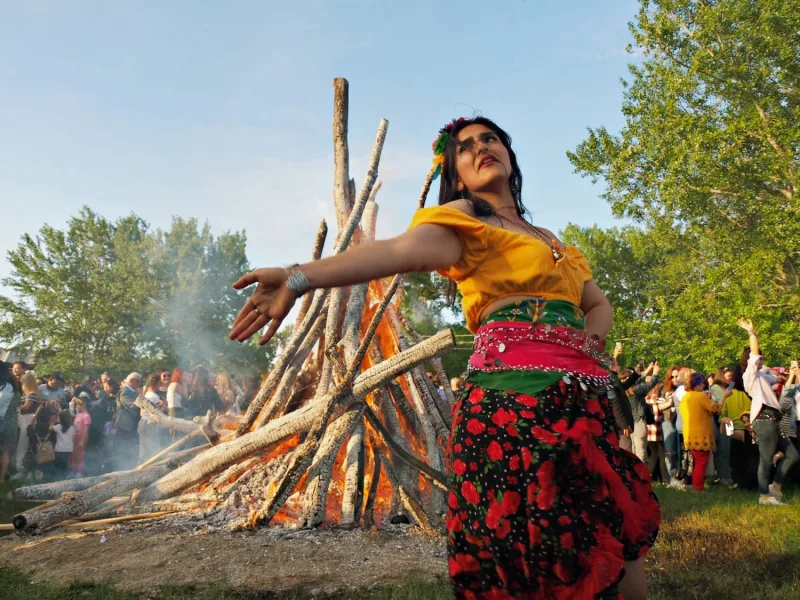
Local folklore festival and charity event to raise cultural awareness with participation of Balkan Countries without media and press involvement.
Festivals
The most important festivals are the Altın Çınar Festival, which is held in the Çınarcık district every July, and the traditional Delmece Plateau Festival.
How to Get There
Yalova can be reached by ferry from Istanbul or Bursa, only one hour away. If you prefer the highway, you can reach Yalova again from Bursa – Kocaeli – Sakarya. For airplane travel, the nearest airports are in Istanbul.